Blog

Nonhuman primate study on early immune response to SARS-CoV-2 points to specific immune cells for vaccine development

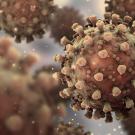
A collection of infectious disease researchers at the California National Primate Research Center and the Center for Immunology and Infectious Diseases observed early immune response to SARS-CoV-2 in rhesus macaques. Their findings suggest vaccine developers should focus on promoting specialized immune cells called CD4 T follicular helper (Tfh) cells capable of targeting spike (S) and nucleocapsid (N) proteins associated with SARS-CoV-2.

A monkey model of early Alzheimer’s Disease: Moving past complications with rodent models

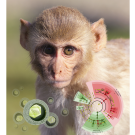
Almost undoubtedly, you can think of five influential and loved women in your life. With those women in mind, consider that one in every five women and one in every ten American men at the age of 45 are at risk of developing Alzheimer’s disease (AD). As the rates of the disease continue to increase and promising therapies tested in rodents fail in human subjects, it’s clear we need another option. Post-doctoral scholar, Dr. Danielle Beckman in Dr.

Researchers Make Major Strides Towards a Vaccine Against the Zika Virus

Although absent from recent news cycles, Zika virus (ZIKV) continues to be a public health emergency and international concern. A collaborative effort between Koen Van Rompay, core scientist with the California National Primate Research Center (CNPRC), Barney Graham (Vaccine Research Institute) and Ted Pierson (National Institute of Allergy and Infectious Diseases (NIAID) brings us one step closer towards preventing another outbreak.

Subclinical Cytomegalovirus Infection Is Associated with Altered Host Immunity

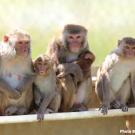
Subclinical, persistent viral infections, including those caused by cytomegalovirus (CMV), are highly prevalent in humans. Rocha et al. (e00167-18) found that subclinical CMV infection of rhesus macaques is associated with significantly altered gut microbiota and increased host immune cell numbers and activation. These alterations occur predominantly in an outdoor environment but not in a controlled, indoor environment. In the indoor environment, CMV-infected animals display decreased antibody responses to influenza vaccine compared to those of animals without CMV.

Scientists Map Monogamy, Jealousy in the Monkey Mind

Media contact: CNPRC Info 530 754 4413

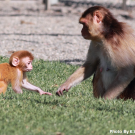
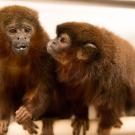
(UC Davis) – It’s perhaps one of the most common emotions to feel in a relationship, but one that’s virtually untouched when it comes to studying relationships in monogamous primate species. What scientists have recently discovered about jealousy in pair-bonded titi monkeys at the California National Primate Research Center (CNPRC) offers insight into human emotions and their consequences.

Podcast – Borneo, Thailand Travels Provide Opportunity to Share NHP Expertise


Contact: Senior Information Officer CNPRC Info (530) 754-4413 

In this edition of “Monkey Talk” we chat with Dr. Jeff Roberts, Associate Director of Primate Services, and JoAnn Yee, manager of the center's Pathogen Detection Laboratory Core, about their recent travel to Borneo and Thailand to share their expertise in working with nonhuman primates (NHPs) with their overseas counterparts at two unique primate centers.